

Blog
Hari Raya Puasa in Singapore: Meaning‚ Traditions and Celebrations

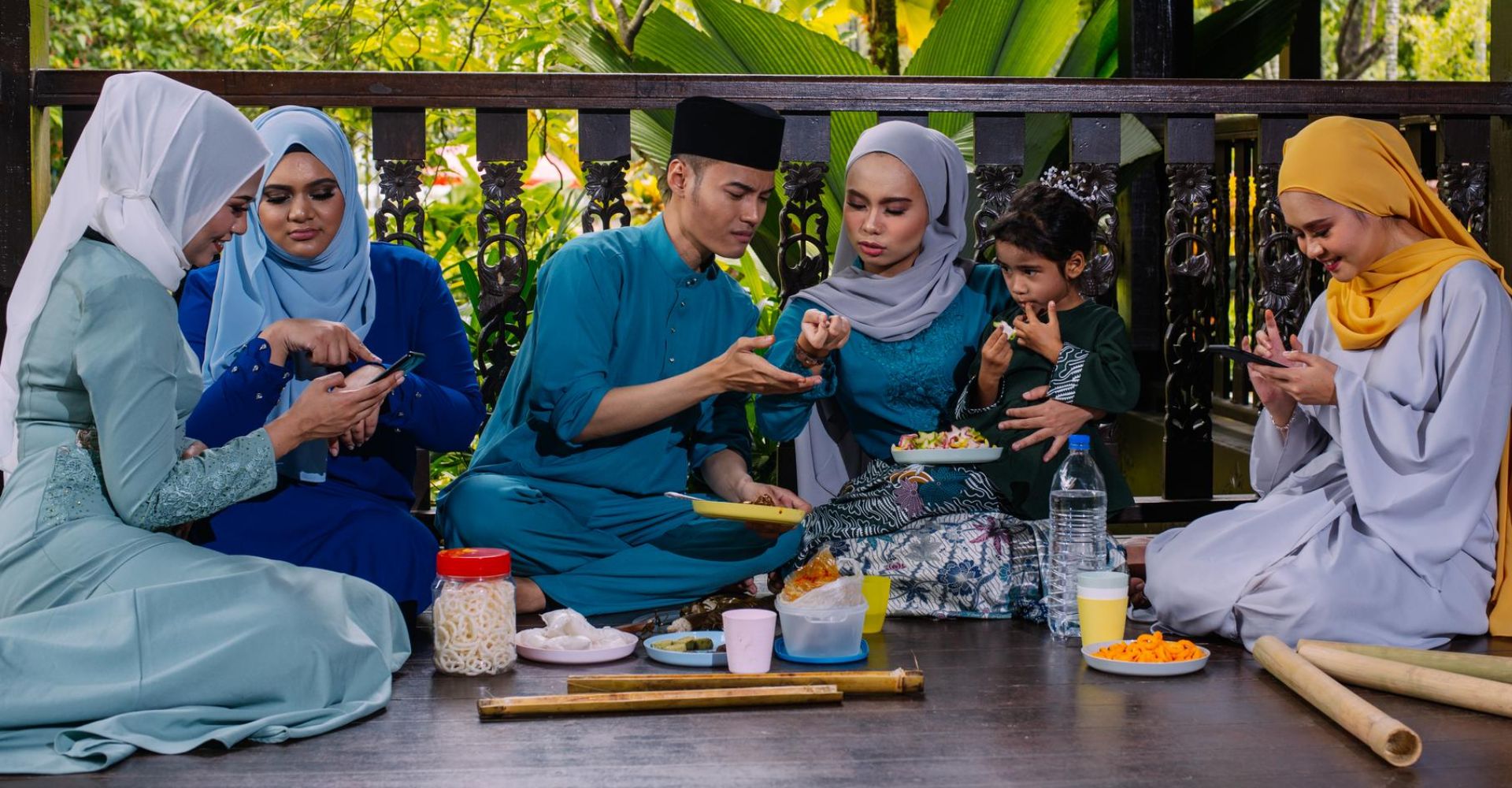
Hari Raya Puasa is a major religious festival in the Muslim religion with global observance‚ celebrated throughout the nation․ It marks the end of Ramadan‚ a month of fasting‚ prayer and self-reflection in the Islamic calendar‚ and a period for gratitude‚ forgiveness‚ family reunions‚ and community celebrations․
Hari Raya Puasa is considered a public holiday in Singapore‚ with celebrations and decorations put up for the occasion․ Although the date changes annually‚ the principles of the celebration itself remain the same‚ with families and communities gathering to appreciate the bonds between them and to share in the celebrations․
The History and Meaning of Hari Raya Puasa
Hari Raya Puasa (Eid al-Fitr) is a Muslim holiday marking the end of a month-long Islamic holy period of fasting‚ known as Ramadan‚ during which Muslims avoid eating and drinking during the day and practice prayer and self-restraint․
The festival‚ in addition to commemorating the conclusion of this month-long period of devotion‚ offers a moment for reflection‚ gratitude‚ humility‚ and community‚ as well as an opportunity to perform good deeds․
To most Muslims‚ Hari Raya Puasa is a chance for a fresh start and to continue the good habits they formed in Ramadan․
Hari Raya Puasa is celebrated on different days each year․
Hari Raya Puasa follows the Islamic Hijri calendar‚ a lunar calendar‚ rather than the Gregorian calendar used in most parts of the world․
Because the Islamic calendar is shorter than the Gregorian calendar‚ Hari Raya Puasa falls at different dates each year‚ occurring about 10 to 11 days earlier each subsequent year in the Gregorian calendar․
This is why the date of the public holiday for Hari Raya Puasa changes annually․
Celebration of Hari Raya Puasa in Singapore
In preparation for Hari Raya Puasa‚ Muslim families customarily clean and decorate their homes‚ and buy new clothes‚ delicacies and cakes‚ as well as gifts for friends and family to celebrate the holidays․
Geylang Serai is one of the most famous places in the area during the season‚ as every year lighted ornaments‚ festive bazaars and food stalls are opened and all walks of life come to visit and mingle with the atmosphere․
On Hari Raya Puasa itself‚ Muslims in Singapore pray at mosques in the morning before visiting each other's homes to ask for forgiveness and celebrate the occasion․
Dining with family and friends and other displays of hospitality are equally common activities on this day‚ and open houses by families are often used to involve and build community with others․
Traditions and Festive Foods
Asking for forgiveness from family and friends is considered one of the most important traditions of Hari Raya Puasa and symbolizes humility‚ reconciliation‚ and the importance of family and community․
Most men wear customary clothes such as the Baju Melayu and women typically wear a Baju Kurung‚ both of which are customarily well known Malay customary costumes․
Food plays a meaningful part in Hari Raya; families prepare and exchange customary dishes with their friends‚ family and neighbors during the festivities․
Common Hari Raya foods in Singapore include:
Ketupat
Rendang
Lontong
Sambal Goreng
Satay
Malay cookies and sweets (kuih-kuih Melayu)
As such‚ they are often a staple at family gatherings or open houses during the season.
Interesting facts about Hari Raya Puasa
Hari Raya Puasa marks the end of Ramadan‚ the Islamic month of fasting․
The holiday is also known as Eid al-Fitr internationally․
Charity is another important part of the holiday․
Geylang Serai is a popular area for Hari Raya celebrations in Singapore․
Key themes are being grateful‚ forgiving‚ family‚ and community․
Final Thoughts
Hari Raya Puasa marks the end of Ramadan and the start of one of the important festivals in the Islamic calendar․ The occasion is celebrated with prayers‚ family‚ and friends gathering together‚ hosting open houses and observing traditions that symbolize the values of gratitude‚ compassion‚ forgiveness‚ and unity․ Hari Raya Puasa remains one of Singapore's major festivals‚ reflecting the multicultural and multi-religious culture and the spirit of community․