

Blog
Chinese New Year in Singapore: History, Traditions and Celebrations

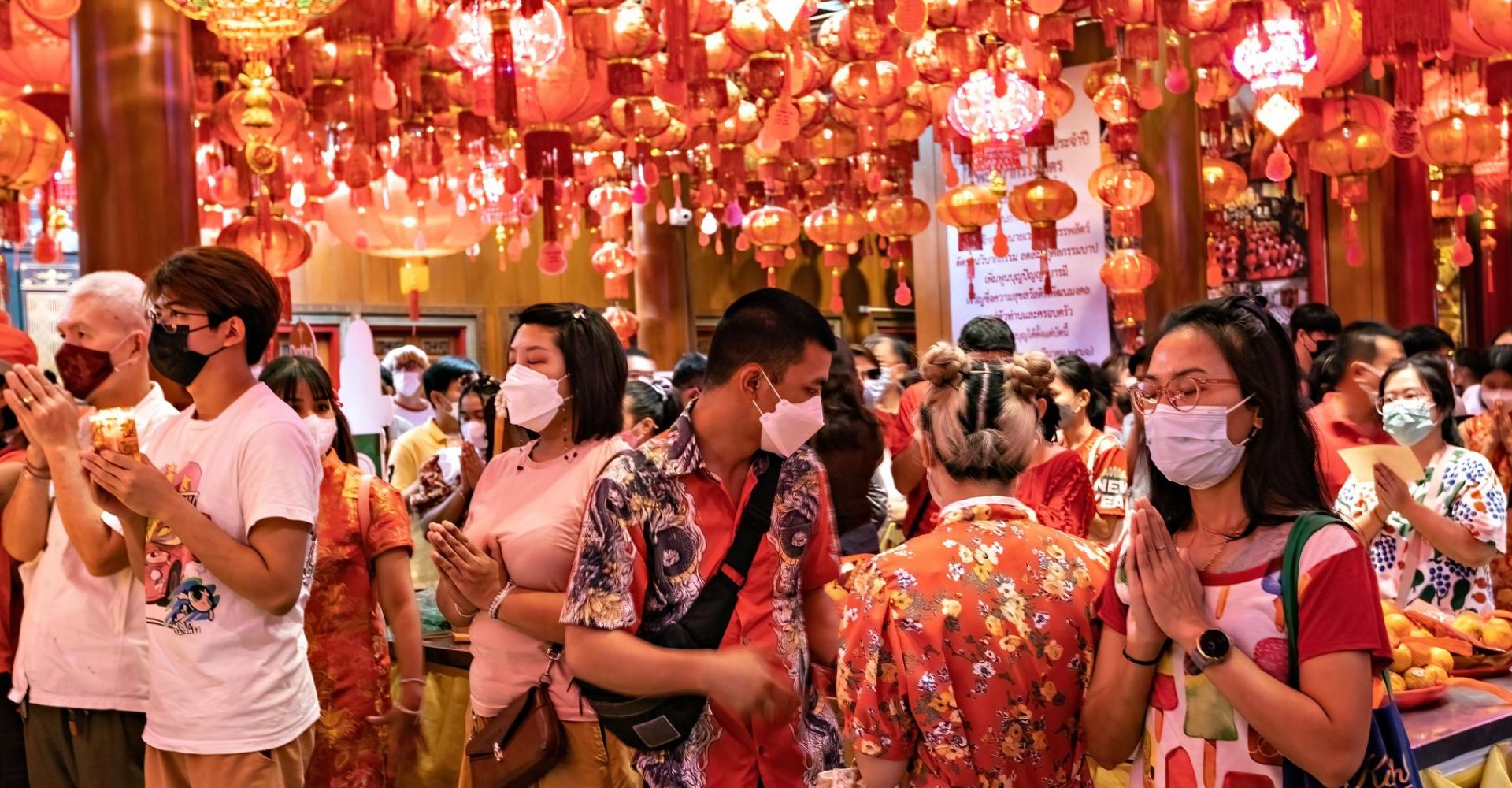
Chinese New Year is one of Singapore's major and most important festival․Chinese New Year is the festival that celebrates the start of the new year on the Chinese lunar calendar and is a time for family reunions‚ festivals‚ and hopes for prosperity‚ happiness‚ and good fortune․
Chinese New Year is a public holiday in Singapore as many Singaporeans are of Chinese descent․ As a major festivity‚ the festive period is associated with the reunion of families‚ reverence towards elders and prayers for a year of continued prosperity and good fortune․
The History of Chinese New Year
Chinese New Year is a customary Chinese festival that has been celebrated for thousands of years․ According to one of the most popular legends‚ the festival is said to have originated from the mythical beast Nian‚ which frightened the villagers every end of the year․ The creature was discovered to be afraid of loud sounds‚ bright lights‚ and the color red‚ so residents strung red ornaments around their houses and set off firecrackers to scare it off․
These customs later evolved into modern practices․ Chinese New Year became a celebration of family gatherings‚ thanks‚ and new beginnings‚ making it one of the most important holidays in Chinese society to this day․
Why is the date of Chinese New Year different every year?
In contrast to other national holidays such as National Day or Christmas for which dates are fixed according to the Gregorian calendar‚ Chinese New Year does not have a fixed date as it is based on the Chinese lunar calendar․
Due to the differences between the Chinese lunar calendar used by the Chinese New Year and the Gregorian calendar‚ the date of the festival is not fixed‚ and ranges between late January and mid-February.
How Is Chinese New Year Celebrated in Singapore?
Chinese New Year is observed in Singapore with decorations‚ cultural events and festive activities throughout the country․ Shopping malls‚ public places and private housing estates are decorated with Chinese lanterns‚ flowers‚ and other festive displays in red and gold in the weeks before the public holiday․
Chinatown is a popular place during the festive period for its light-ups‚ street‚ and cultural shows‚ as well as seasonal food stalls․ It is one of the most visited places․ Chinatown is one of the city's most popular places for local residents and tourists to celebrate the festival and purchase decorations‚ gifts‚ and snacks․
Many families also clean their houses in order to sweep away any ill-fortune and the inauspiciousness of the past year and to welcome good luck․
Traditions and Festive Foods
During Chinese New Year‚ one of the most important symbolic occasions is the reunion dinner․ It is a big meal sometime during the evening before the actual New Year itself when families come together․
Many foods served are symbolic: fish is served to symbolize abundance and oranges and mandarins because they are said to bring good luck and wealth․
One of the most famous Chinese New Year dishes eaten in Singapore is yusheng․ It is customary in Singapore for diners to eat the dish together by tossing the shredded vegetables and other ingredients high into the air while expressing best wishes‚ as part of the ritual called "lo hei"․
Other festive foods include pineapple tarts‚ bak kwa‚ love letters and several other customary cookies and cakes․
Another primary tradition of this season is the passing of hongbao (or 'red packet')‚ red envelopes containing money given by married adults to children or unmarried younger relatives as a blessing for good luck․
Interesting Facts About Chinese New Year
Chinese New Year is also known as the Spring Festival․
Each year is related to one of the twelve animals of the Chinese zodiac․
The festival usually lasts fifteen days‚ ending with the Lantern Festival․
Red is the most important festival color‚ and symbolizes good luck‚ happiness‚ and prosperity․
Chinese New Year celebrations are among the largest and most elaborate in Southeast Asia‚ with people from all over the city visiting Singapore every year․
Final Thoughts
It is the season for family and social gatherings․ For this reason‚ traditions such as the reunion dinner‚ exchange of red packets‚ lion dance and festive markets were continued․ The festival is still meaningful for Singaporeans․ More than just a public holiday‚ Chinese New Year is a time for customary practices‚ family reunions‚ and high expectations for the coming year․